We help our clients make the best decision

ATTIC is a team of specialists in data analysis and software development, 

offering future technologies powered by AI.

What We Do


Our Service


Attic runs machine-learning-based analysis projects and builds customized software that lets clients keep using the results, in a short timeframe. 


We also build a strategy fit for each company when applying data transformation — a shift that demands change not just in technology, but in corporate culture.

Machine Learning & AI


- Predictive modeling / anomaly detection

- Deriving optimal driving conditions using XAI

- Deep learning–based computer vision

- Speech recognition and natural language processing (NLP)

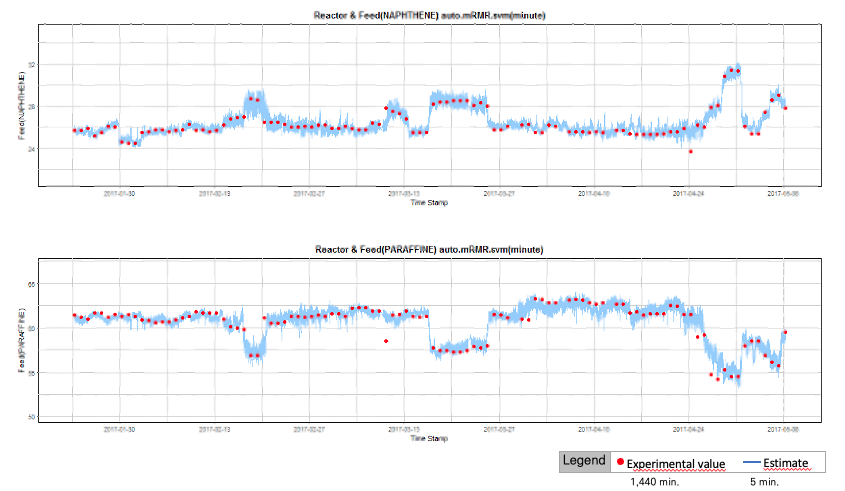
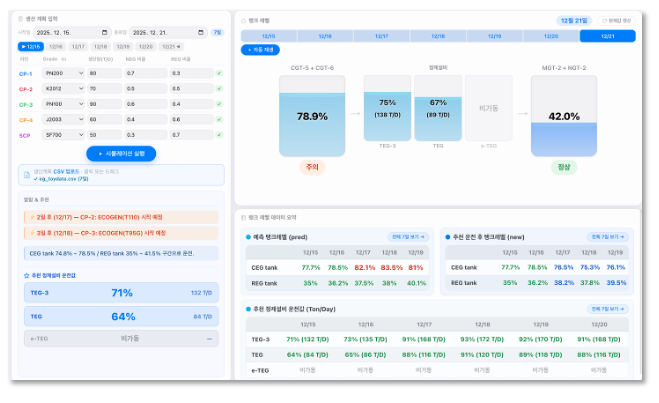
Soft Sensor Case : Predicted feed characteristics (per-minute)
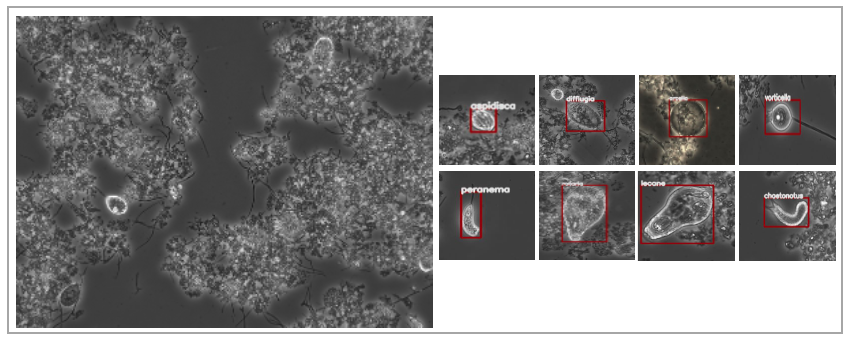
Microorganism Image Analysis (Water Treatment Process)
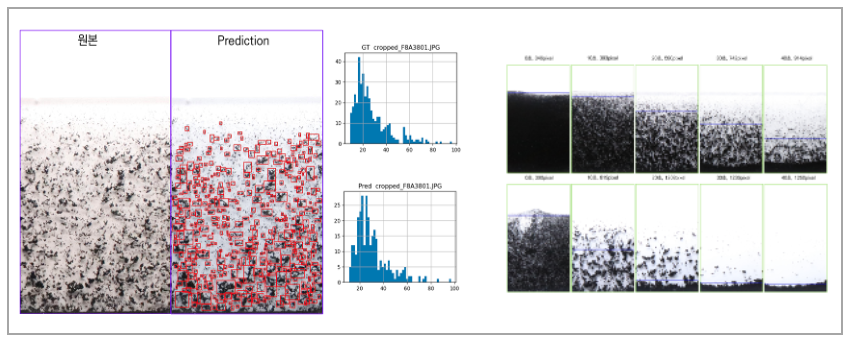
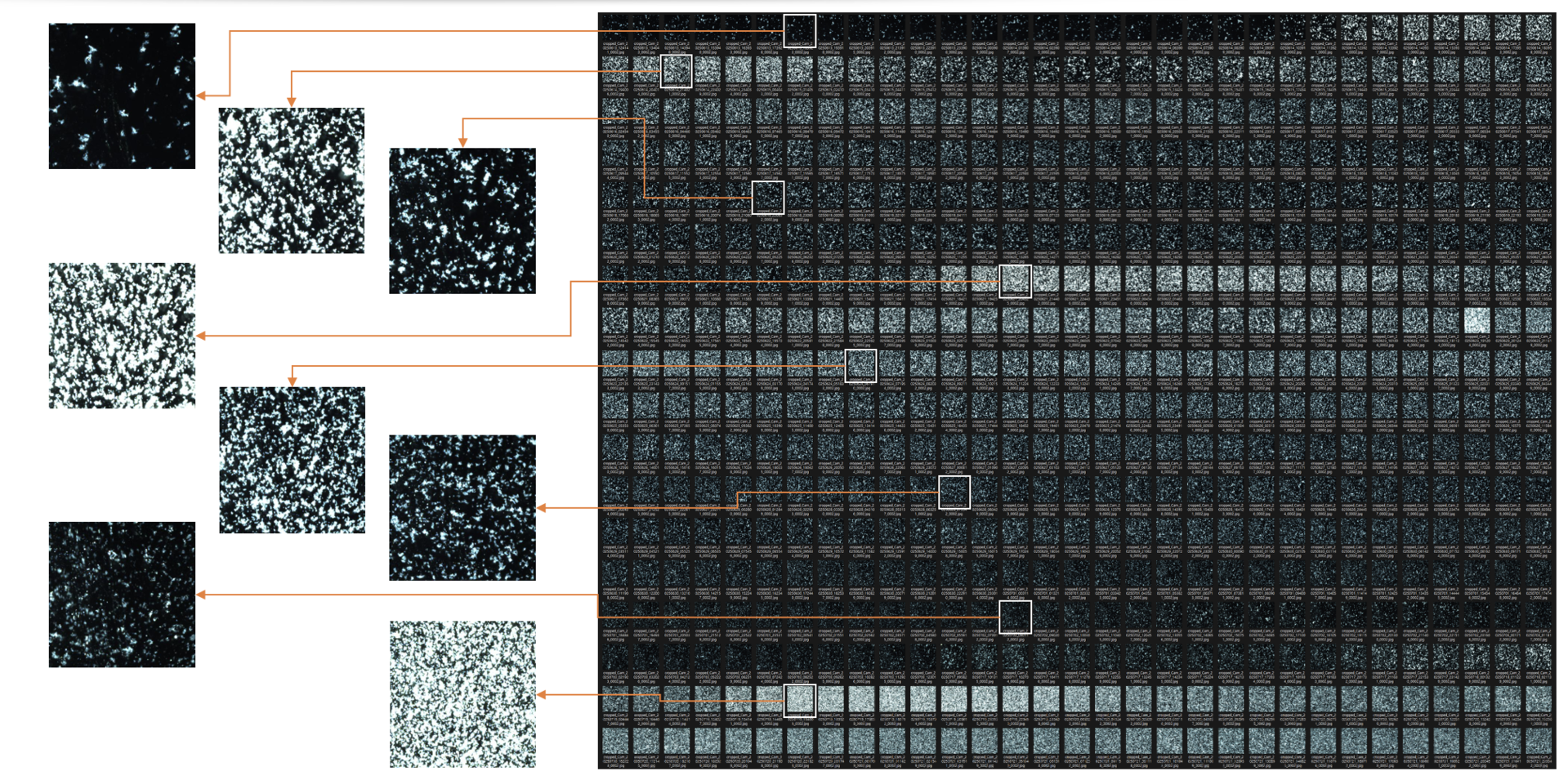
Flocculated Particle Size Distribution and Settling Velocity Analysis (Water Treatment Process)
Intelligent Custom Software Development

- System implementation for operationalizing analysis models

- UI/UX development for data visualization and monitoring

- Process simulation development

- Rapid development of customized solutions


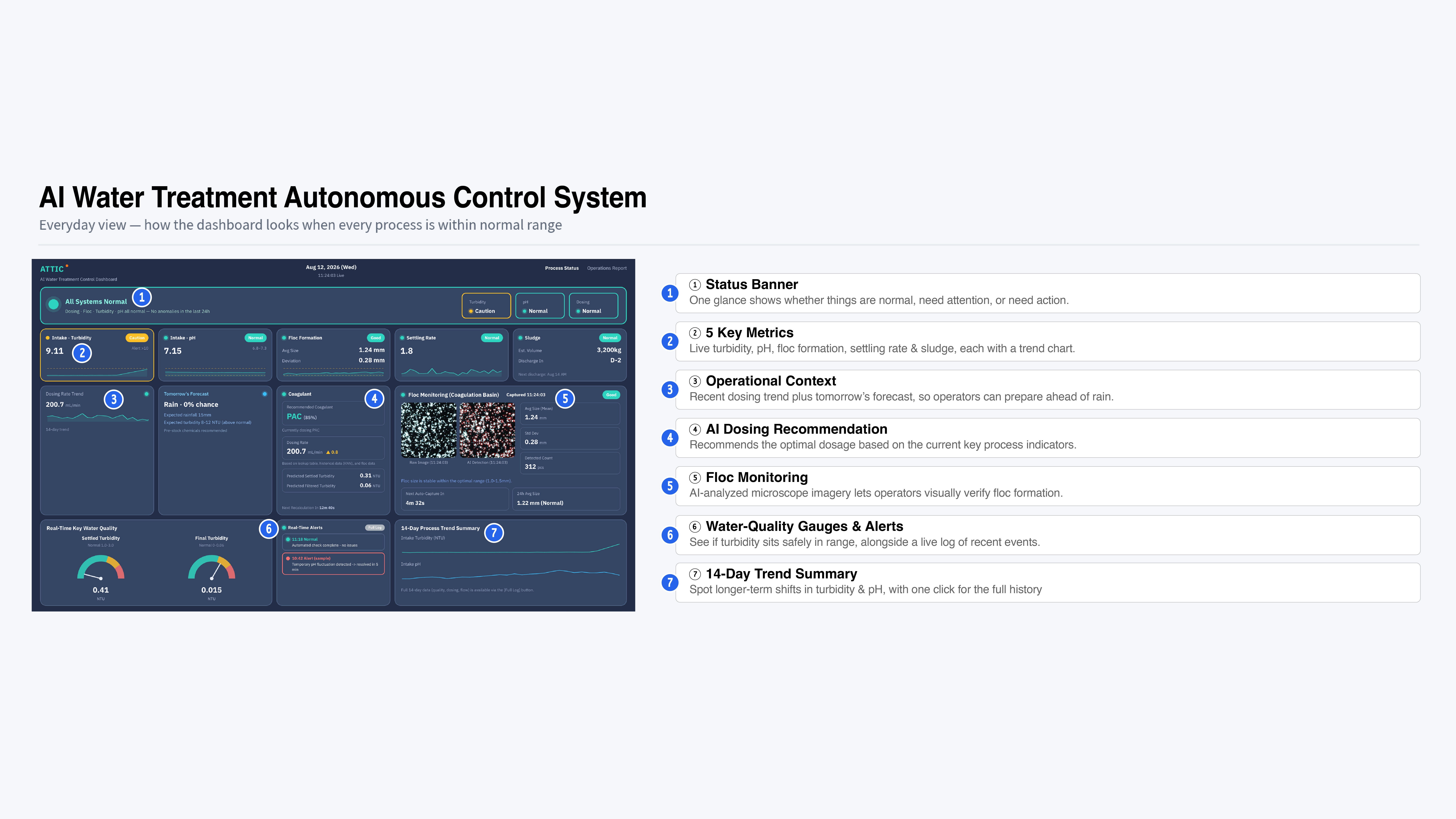
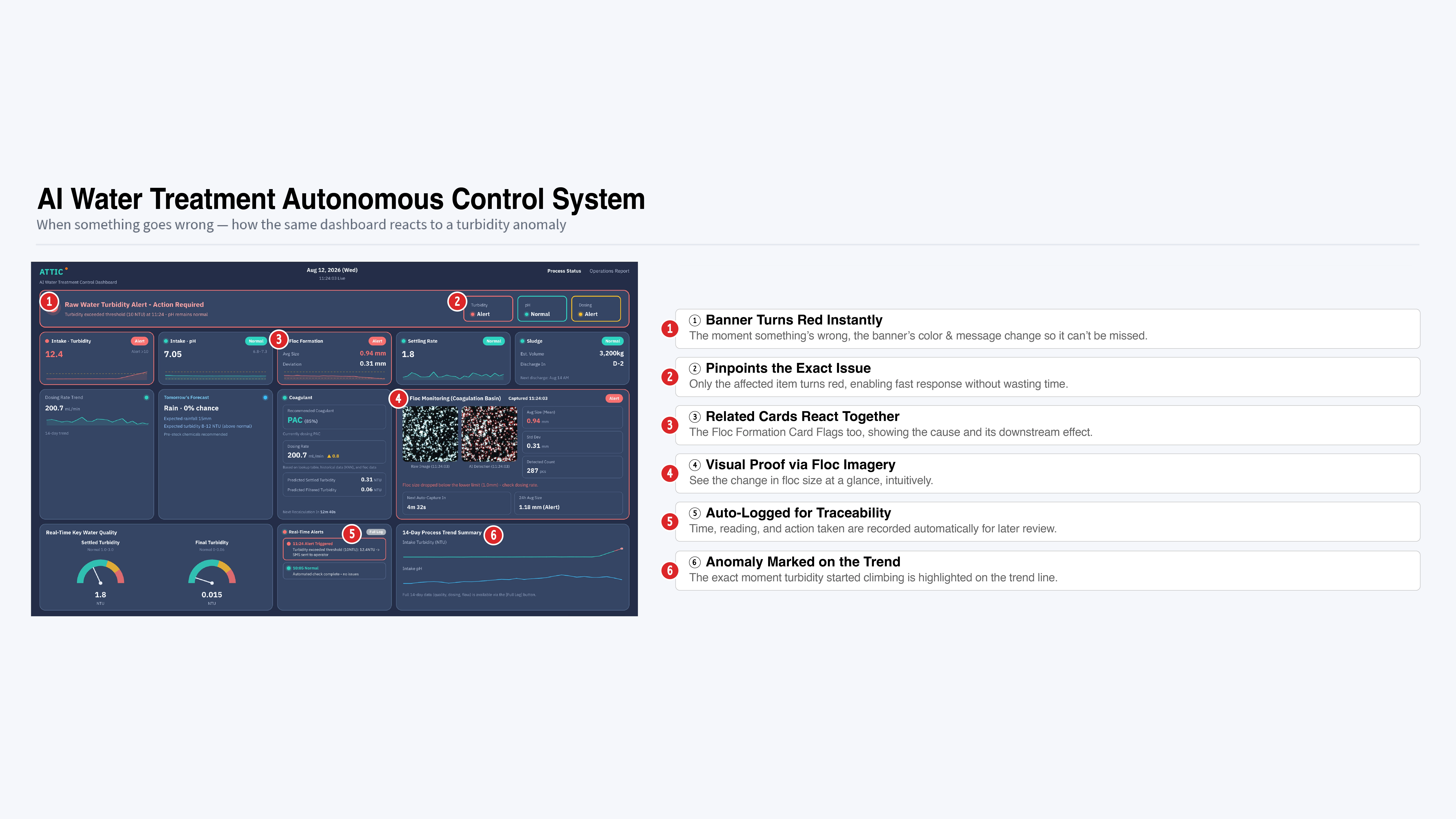
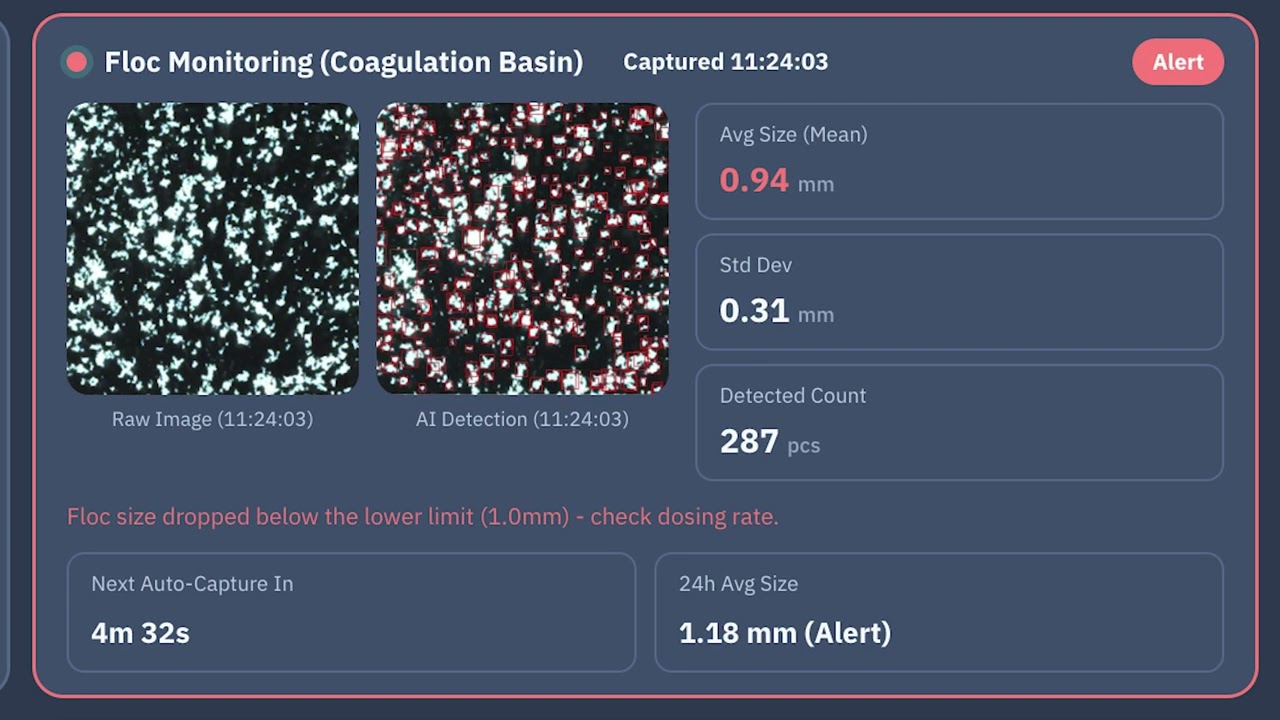
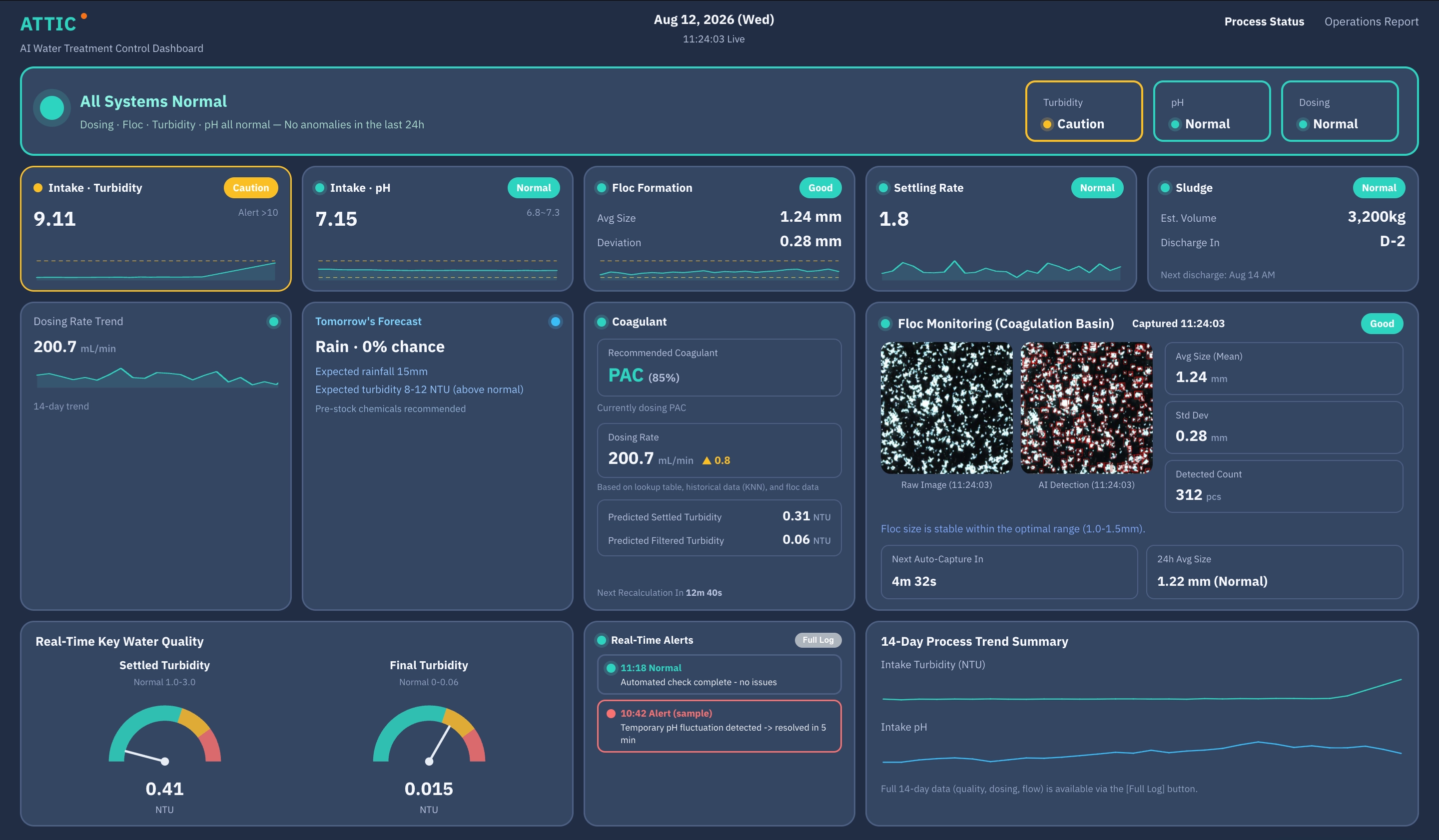
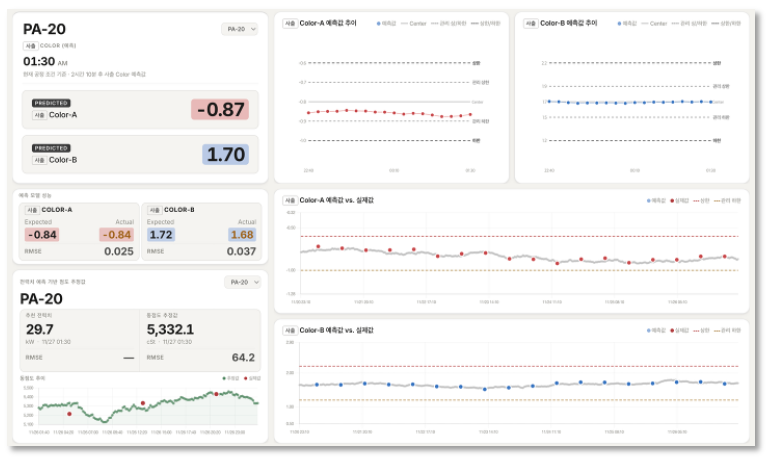
Process Monitoring UI (1)
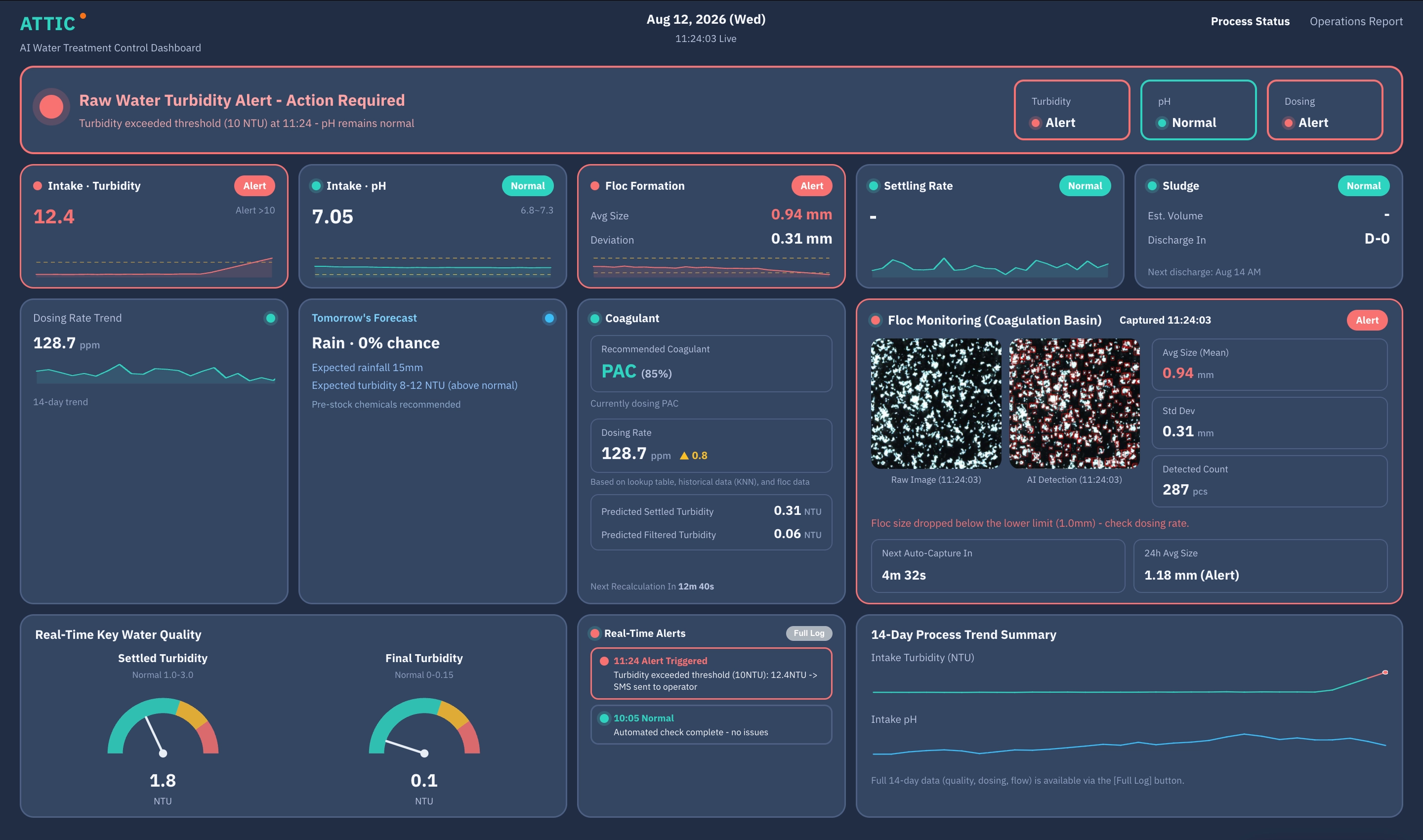
Process Monitoring UI (2)

      Flagship case — Attisan Inspector, applied to drinking water

01 . The Problem


Operators can't see whether the water is being treated correctly — 

until it's too late to fix.


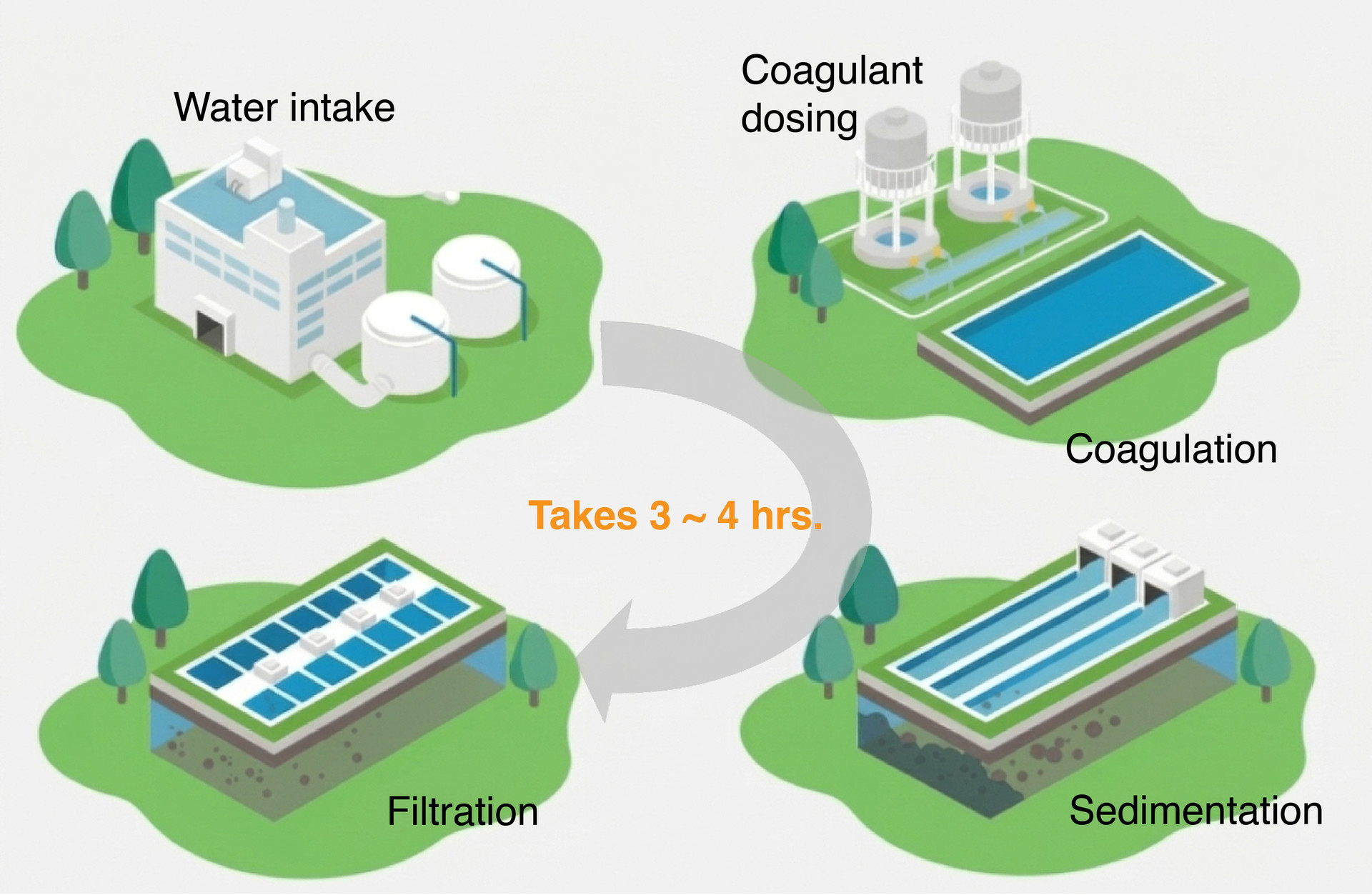
3 - 4


hours before coagulation can be confirmed

Whether coagulation worked is only confirmed 3–4 hours later, by turbidity at the end of the sedimentation basin. Until then, operators judge dosing by eye and experience — a subjective, non-quantitative call.


If dosing equipment malfunctions in that window, turbidity in the settled water can rise before anyone notices. To stay safe, plants often dose more chemical than needed — or, when quality slips, burn more energy at the filtration stage. Both cost money.

02. The Insight


Floc , the clumps coagulant forms in the water, carries the answer. 


Turn its images into continuous, quantified data, and coagulation can be monitored, not guessed.

Floc characteristics such as size, count, shape, and density

03. How It Works


A single eye overseeing 

the water treatment plant


Sequential images, at different depths


The camera steps focal distance across a sequence of images, capturing floc particles at different depths. That stack of images is used for 3D sizing of floc, resolving particles down to 0.07 mm.


AI object detection


An Algorithm segments and tracks floc in real time, computing count, size, shape, brightness, and density for every frame. 

By analyzing data on floc size, count, and density, this system enables real-time detection of water quality anomalies and precise chemical dosing.


24-hour monitoring, automatic dosing


Floc data is streamed to the control room around the clock, catching dosing-equipment malfunctions as they happen — and feeding an AI operation mode that automatically controls chemical dosing based on raw water conditions and season.
04. Why This Shape


Why a fish, not a fixed camera.

    Problem 1

    Problem 2

   The answer

Sampling breaks the floc


Pulling a sample out to inspect floc under a scope risks breaking it apart before it can even be measured.

One fixed point isn't the whole basin


A camera fixed at a single point can't confirm that spot represents what's happening across the whole process.

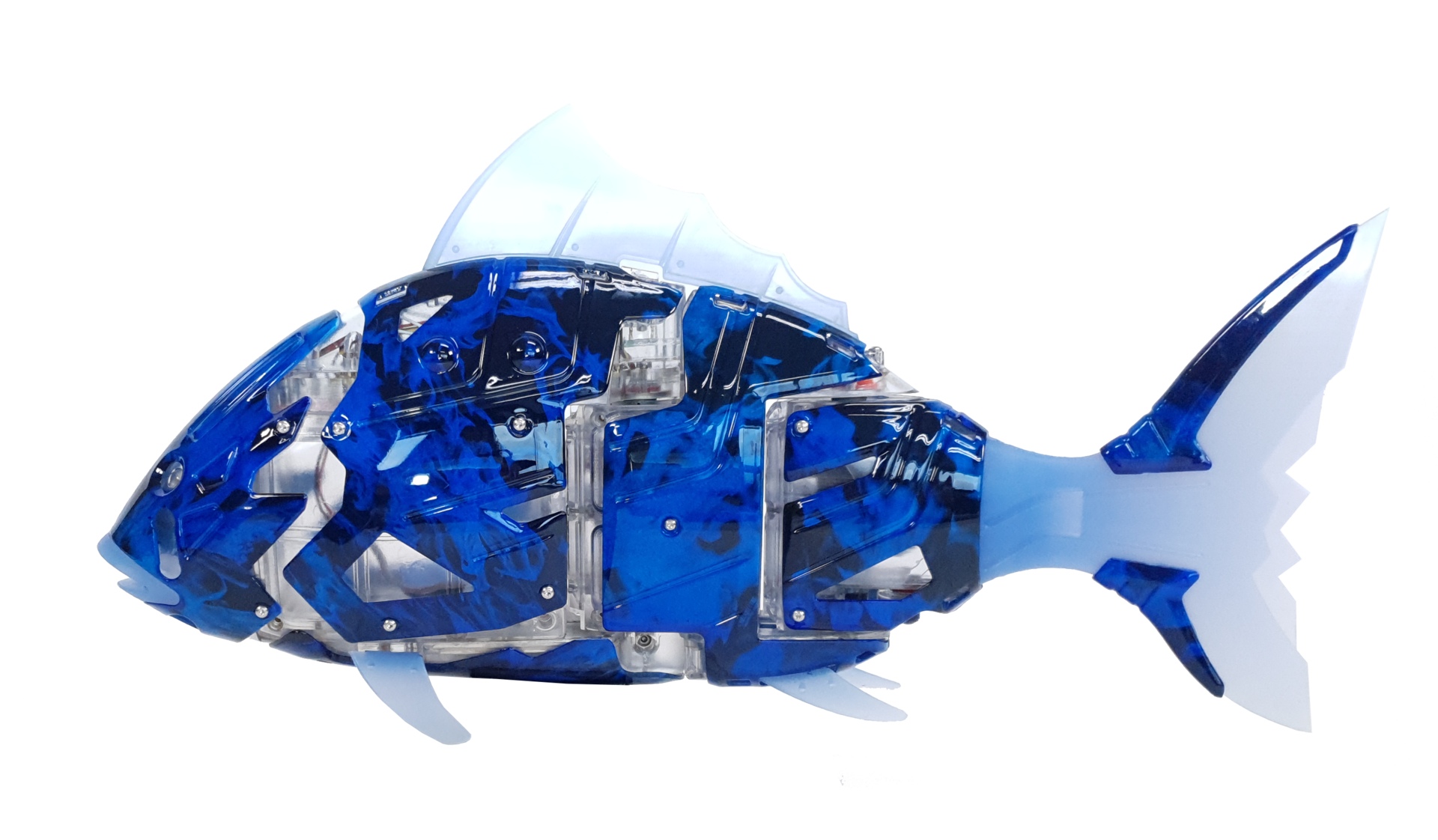
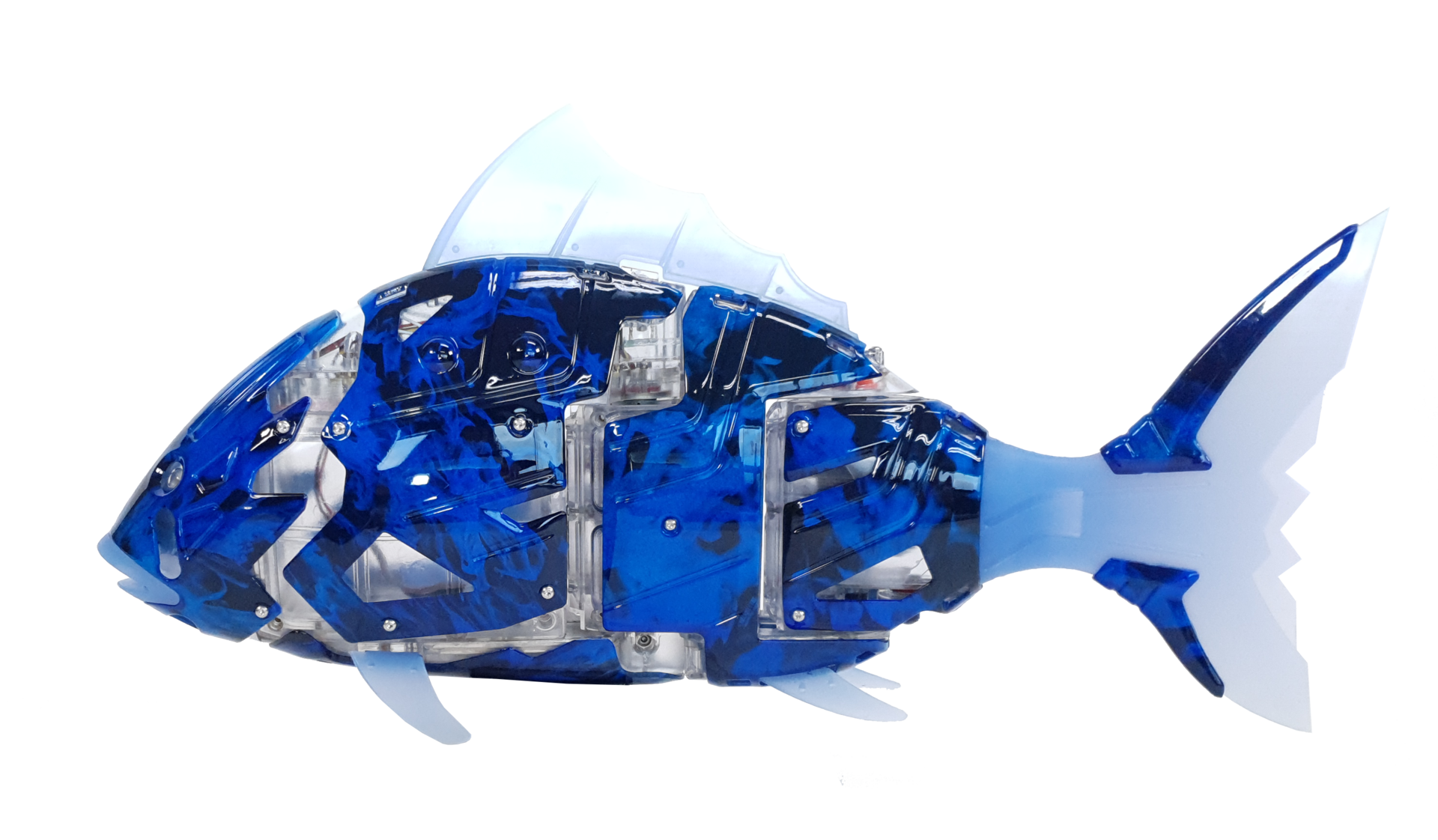
An autonomous robot, Voyager


A biomimetic body that autonomously navigates the water solves both at once — no sample is pulled, and no single point is assumed to speak for the rest.

Attisan Purevision VOYAGER

04. Why This Shape


Why a fish, not a fixed camera.

Problem 1


Sampling breaks the floc


Pulling a sample out to inspect floc under a scope risks breaking it apart before it can even be measured.

Problem 2


One fixed point isn't the whole basin


A camera fixed at a single point can't confirm that spot represents what's happening across the whole process.

Problem 3


An autonomous robot, Voyager


A biomimetic body that autonomously navigates the water solves both at once — no sample is pulled, and no single point is assumed to speak for the rest.

Attisan Purevision VOYAGER

05. What Makes It Different


Three ways this changes how treatment plants operate.

01

The first live-image monitor for coagulation


Earlier methods — visual counting, jar tests, laser-based analyzers — were limited by contamination, scattered light, or sensitivity to humidity and vibration.

02

No manual sampling in hazardous areas


Continuous, automated monitoring removes the need for operators to sample water in chemically treated, hazardous zones.

03

Scales beyond floc — to algae detection


By swapping the optical module, the same system quantifies diatoms and cyanobacteria without additional equipment.

06. In Operation


What the control room sees, in real time.

Jointly registered patent


Machine-vision image analyzer for coagulation monitoring


Co-registered with K-water: a machine-vision-based image analysis device for monitoring and detecting anomalies in the coagulation process.

TTA CAT certified


AI reliability verification for PureVision AI


Attisan PureVision AI has obtained TTA's AI reliability verification and certification (CAT).

07. Track Record


PureVision AI is the newest application of a capability 

we've run for years.


Nine years running data analysis and AI-agent development for the SK Group in petrochemicals and semiconductors, plus solar generation forecasting and image-based floc / microorganism quantification for water and wastewater treatment.


  Attisan Inspector, in the field

Water is one of several industries this solution runs in


Attisan Inspector is our computer-vision solution — automatic detection, recognition, and identification of objects in images and video. 


PureVision AI (water treatment) is the hardware that puts it to work in drinking water plants, alongside Vision Claris (wastewater treatment).


08. Elsewhere at Attic


The same capabilities, already at work in other industries


Petrochemicals & Semiconductors


 SK Group — 9 years 


Process data analysis and AI-agent development for manufacturing quality and optimization.

Renewable Energy


 Solar 


Generation forecasting solutions for distributed solar power plants.

Environment


 Vision-based quantification 


Image-based floc and microorganism quantification for water and wastewater, plus waste-plastic sorting and classification

Our Partners

Bringing it all together


@Copyright 2022. All Right Reserved. Hosted by Imweb